Anyone who has bought an ordinary print-on-demand reprint of a nineteenth-century manual knows the disappointment: skewed margins, grey paper grain, ink bleeding through from the back of the leaf, and broken letters that no screen reader or search box can find.
At Restored Books—under our editorial imprint The Humble Editor—we begin from the original scans, verify edition and publisher records, and set the book again rather than handing the reader a raw photocopy.
Clear typography and clean plates
Our interiors are typeset in Old Standard TT, a typeface modelled on late-nineteenth- and early-twentieth-century book typography, paired with two-column running titles and folio numbers that echo the original volumes. Because the text is real type, you can search for a garment, term or measurement number and zoom in without blur.
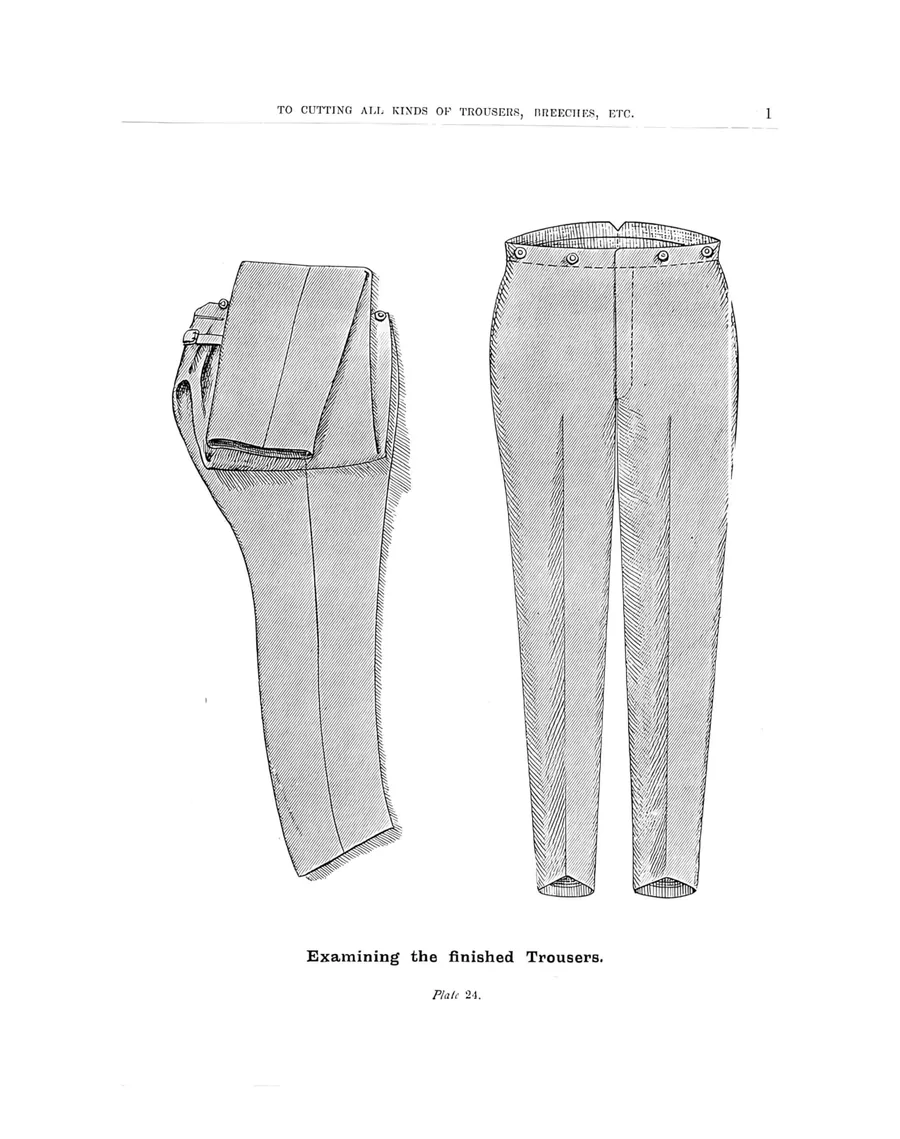
Drafting plates and engravings are cleaned of scanner shadow, speckle and show-through while keeping Vincent’s original lines and figures intact. You can inspect four matched before-and-after examples from the Trousers edition on our restoration page.
Honest about redesigns and source gaps
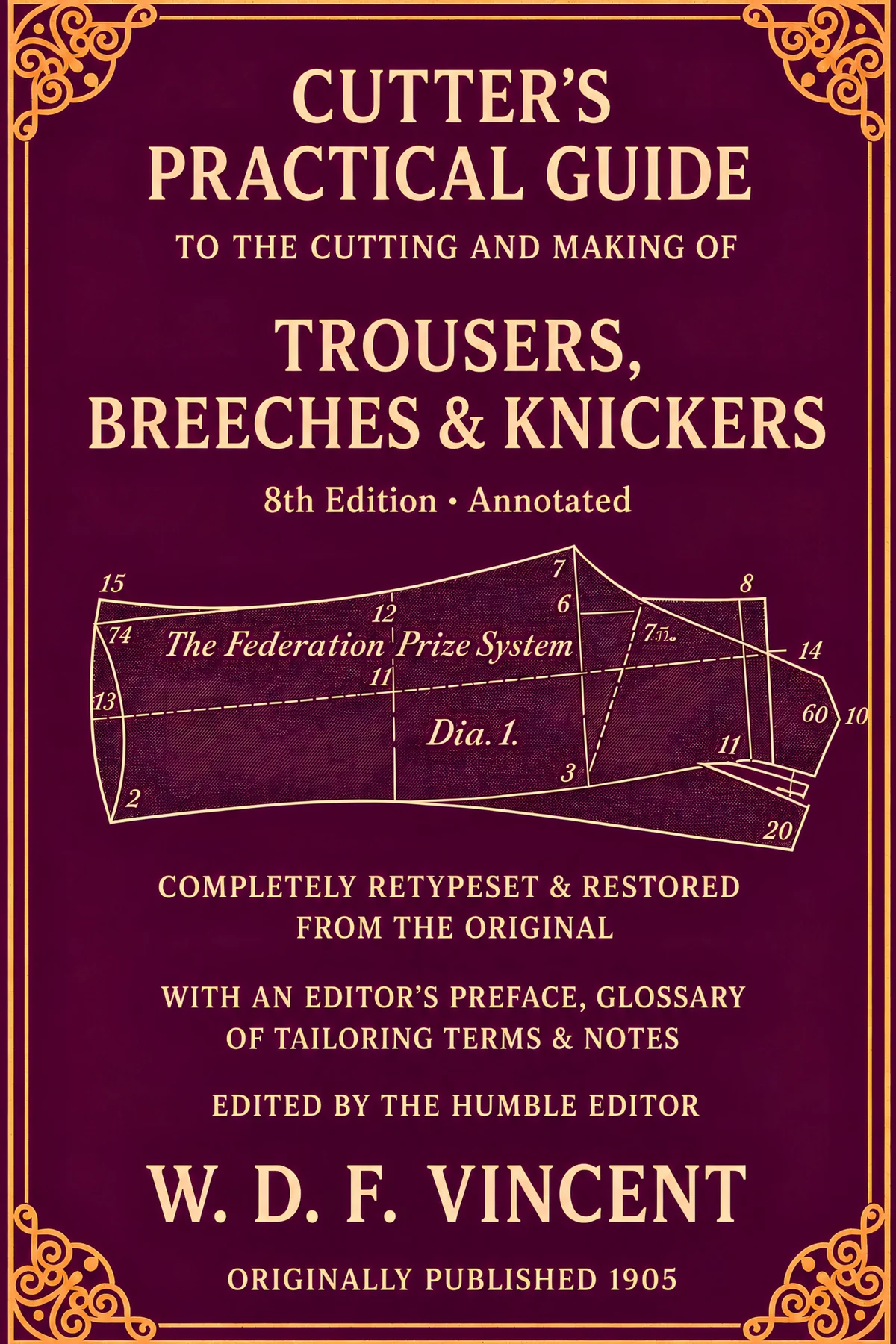
Where we introduce modern material, we mark it plainly. Title pages are redesigned to carry the 2026 restoration and editorial credits—they are not facsimiles—and our glossaries, prefaces and notes are kept separate from Vincent’s and Iley’s words.
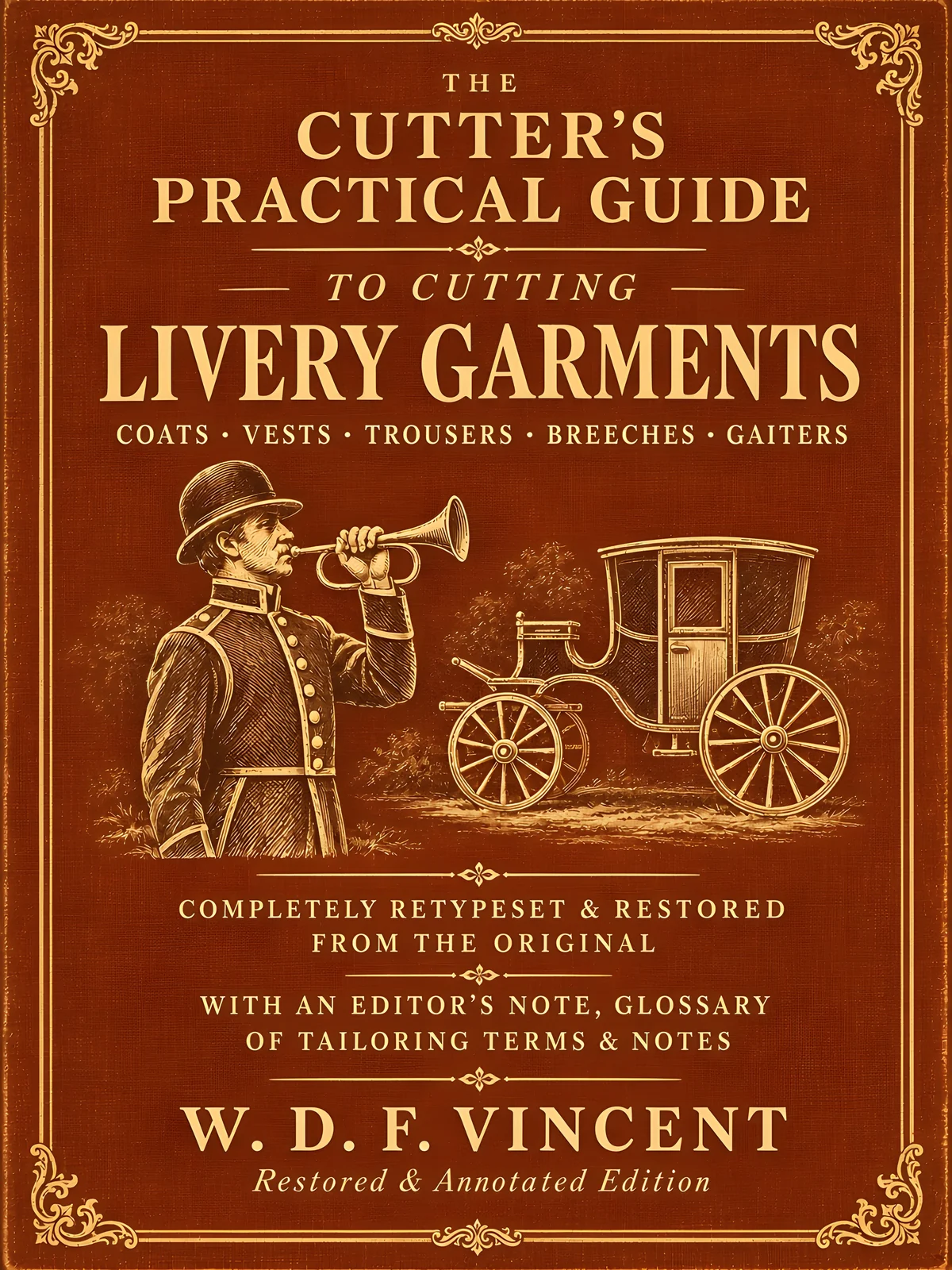
Just as importantly, if the surviving source scan lacks leaves, we state it upfront near the purchase panel and inside the free sample. In Livery Garments, for example, folio 37 is unreadable and folio 41 is missing in the current working copy; in Jackets, Robes & Gowns, missing leaves are similarly disclosed. Truthful bibliography matters as much as clean type.
Also read on our Payhip shop blog ↗ · Join our mailing list for future notes ↗